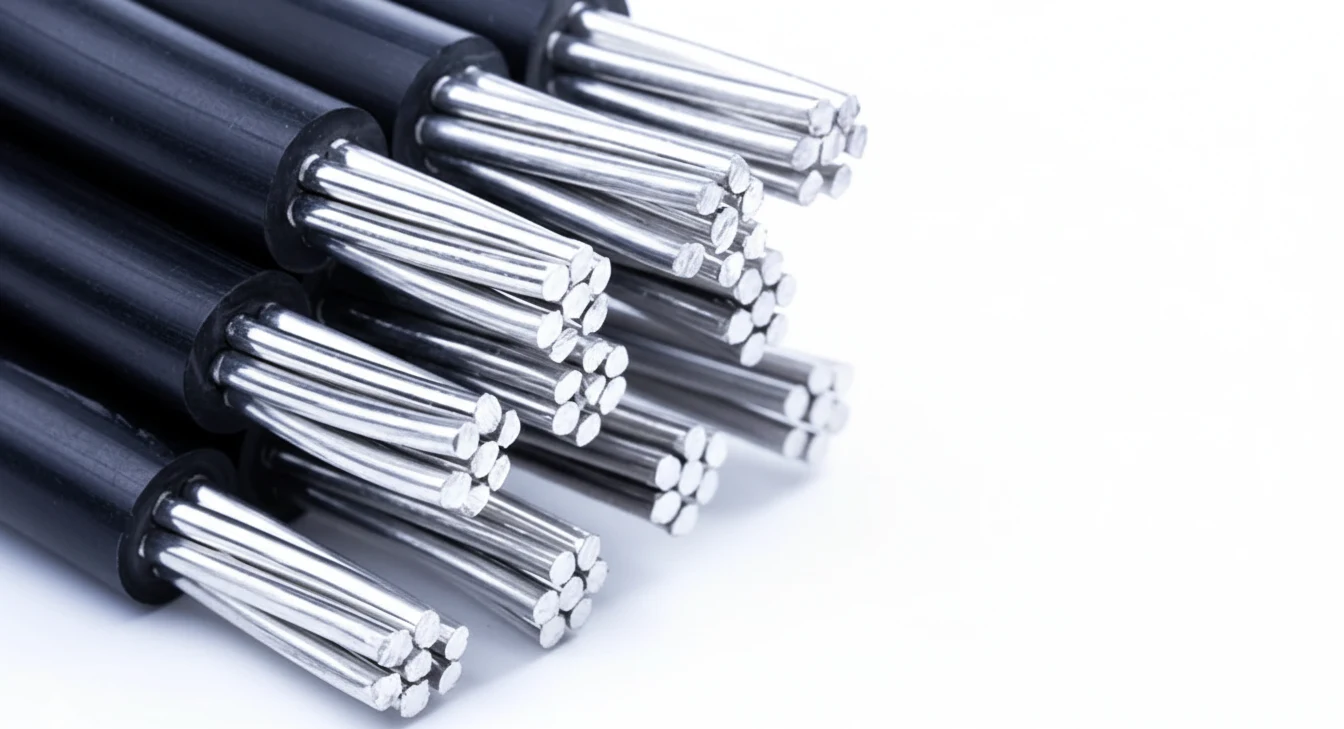
Why Aluminium Cable Conductors Are Used
Aluminium cable conductors provide a practical balance of conductivity, weight and cost. They are widely used in power distribution and larger electrical installations because aluminium is lighter than copper and easier to handle in long cable runs.
The lightweight design can simplify handling and installation, especially in projects where material weight and budget are important. Aluminium conductors also offer natural corrosion resistance, making them useful for several indoor and outdoor cable applications when installed correctly.
If your project needs a comparison with copper wiring, our guide on copper flexible cables can help you understand where copper cables may be a better fit.
Aluminium Cables & Conductors
Aluminium has good electrical conductivity and helps support effective power transmission with reduced cable weight. Because of this, aluminium cable conductors are commonly used in power distribution, building electrical systems and industrial projects.
These conductors can provide suitable thermal performance when correctly selected for the load and installation method. This makes them useful in electrical systems where cable sizing, installation method and safety standards are carefully considered.
In modern electrical systems, they remain a practical option for projects that need reliable performance, installation efficiency and cost control.
Quick Answer
These cables and conductors suit power distribution, cable troughs, building systems and larger installations where lightweight and cost-effective conductors are useful. The right aluminium cable should always be selected based on load, insulation, installation type and safety requirements.
Key Features
Reliable Quality
Efficient Conductivity
Durable Insulation
Lightweight Design
Aluminium Cable Conductor vs Copper Cable
| Factor | Aluminium Cable Conductor | Copper Cable |
|---|---|---|
| Weight | Lighter and easier for long runs | Heavier but compact |
| Cost | Generally more economical | Usually higher cost |
| Use Case | Power distribution and larger installations | House wiring, panels and flexible applications |
| Selection | Choose based on load and installation method | Choose where high conductivity and flexibility are needed |
How to Choose Aluminium Cables
- Check the required electrical load and recommended cable size before selection.
- Choose the correct aluminium cable type for open wiring, concealed wiring, cable trays or outdoor installation.
- Look for durable insulation suitable for the installation environment.
- Use armoured aluminium cable where mechanical protection is required.
- Consult a qualified electrician or project engineer for final cable sizing and installation.
Aluminium conductors are available from several cable suppliers, but conductor size, insulation, installation method and load requirements should guide product selection.
FAQs on Aluminium Cables & Conductors
Are these conductors suitable for power distribution?
Yes. They are commonly used in power distribution because they are lightweight, cost-effective and suitable for long cable runs when selected correctly.
Can aluminium cable be used instead of copper cable?
Yes, aluminium cable can be used in many applications, but cable size, load rating and installation method must be selected carefully because aluminium and copper have different properties.
Where are aluminium cable conductors commonly used?
They are used in power distribution, cable troughs, ventilated cable ways, building electrical systems and industrial installations.