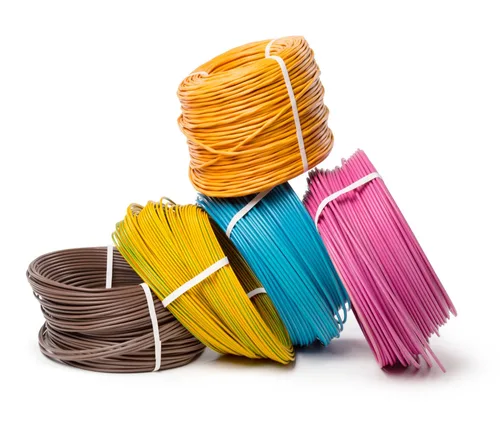
In the field of electrical wiring, flexible copper cables are recognized for their dependability and adaptability. These cables are made of premium copper conductors and are expertly designed to offer flexibility and endurance, making them invaluable in a wide range of applications across industries.
Flexible copper cables’ main benefit is their pliability, which makes installation simple in situations where rigid cables might not be feasible. These cables’ flexibility makes it easier to route them through intricate constructions, confined areas, and devices like robots and machinery that need to move around a lot. This flexibility lowers installation costs and times while increasing the overall efficiency of electrical systems.
Because of its exceptional electrical conductivity, copper ensures that power and messages are transmitted as efficiently as possible. In order to maintain the strong conductivity that copper is known for while adding even more flexibility, the conductors in flexible copper cables are usually stranded. The cables’ ability to tolerate bending and flexing without sacrificing electrical performance is made possible by this design decision.
These cables are widely used in sectors where dependable and adaptable electrical connections are essential, like manufacturing, automation, and telecommunications. Flexible copper cables are essential for smooth power distribution and communication, from power supplies to control circuits.
The jacketing and insulation layers that envelop the copper conductors shield them from chemicals, abrasion, and the elements, guaranteeing the cables’ durability and dependability under a range of operational circumstances. Flexible copper cables are the perfect combination of conductivity, flexibility, and durability, making them vital for today’s dynamic, networked systems.
Our wires are made using the top quality input, bought from trustworthy sellers of the market. Quality is given top priority at every point of the process.